Pappedeckel: Complete Guide to Cardboard Materials, Uses, Benefits & Recycling
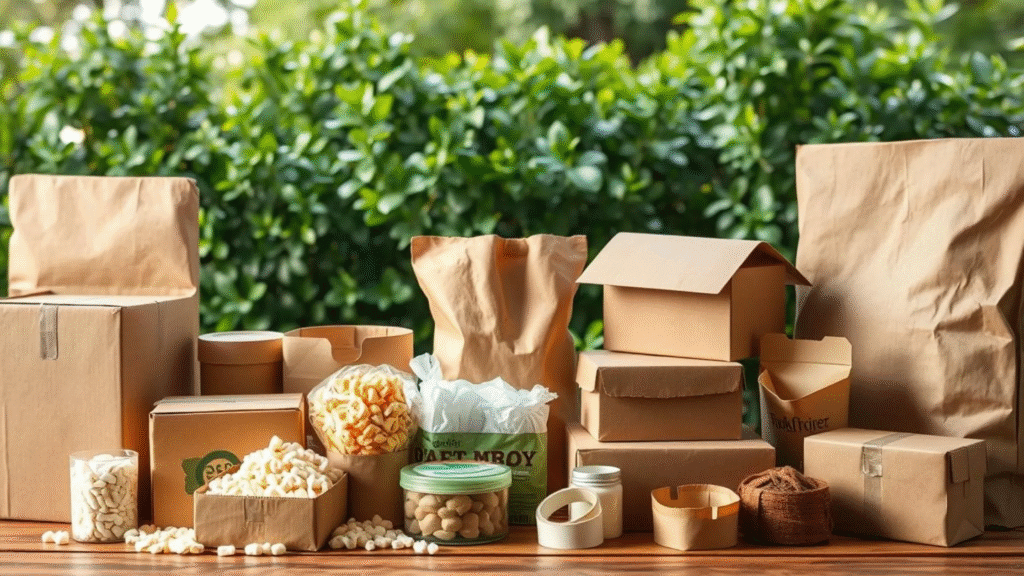
The word pappedeckel may sound unfamiliar to many English-speaking readers, but it refers to one of the most widely used cardboard-based materials in everyday life. Whether you are opening a product package, carrying groceries, protecting fragile items during shipping, or creating arts and crafts, you have likely used a pappedeckel without realizing it.
Although it often appears to be a simple piece of cardboard, a pappedeckel is actually a carefully engineered material designed to provide strength, durability, flexibility, and environmental sustainability. Manufacturers use different layers of paper fibers, specialized adhesives, and modern production techniques to create cardboard products suitable for countless industries.
Today, businesses across the world are moving toward eco-friendly packaging, making pappedeckel more valuable than ever. Companies are replacing plastic packaging with recyclable cardboard solutions to reduce environmental impact while maintaining product safety.
This comprehensive guide explores everything you need to know about pappedeckel, including its meaning, history, manufacturing process, materials, types, applications, environmental benefits, recycling methods, industry trends, and future innovations. Rather than simply repeating common information, this article explains why pappedeckel continues to play an essential role in modern manufacturing and sustainable packaging.
What Is Pappedeckel?
Pappedeckel is a German word that generally refers to a cardboard sheet, cardboard lid, thick paperboard, or rigid cardboard component. Depending on the context, it may describe:
Thick cardboard sheets
Used for packaging, crafts, and industrial purposes.
Cardboard lids
Often found on storage boxes, food containers, or shipping packages.
Protective cardboard inserts
Used inside packaging to prevent products from moving.
Structural cardboard pieces
Used in displays, retail packaging, furniture, and construction models.
In simple terms, a pappedeckel is a durable cardboard product manufactured from compressed paper fibers that provides protection, structure, and support.
Unlike ordinary writing paper, pappedeckel is thicker, stronger, and designed to withstand pressure, weight, and repeated handling.
The Meaning of Pappedeckel in Different Industries
The meaning of pappedeckel varies depending on the industry.
Packaging Industry
It refers to cardboard used to protect products during transportation and storage.
Printing Industry
It describes heavy paperboard used for book covers, folders, presentation materials, and premium packaging.
Food Industry
It may refer to cardboard lids or food-safe paperboard used for takeaway containers.
Also Read:Exhentaime: Complete Guide to Reducing Stress, Managing Time, and Achieving More
Craft Industry
Artists use pappedeckel as a strong base for handmade projects.
Manufacturing
Factories use pappedeckel as protective dividers, separators, and cushioning materials.
Understanding the context helps determine the exact type of pappedeckel being discussed.
A Brief History of Pappedeckel
Cardboard has existed for centuries, but modern pappedeckel evolved alongside industrial manufacturing.
Early civilizations primarily used wood, leather, and cloth for packaging. As paper production improved, thicker paperboard materials became more practical.
During the Industrial Revolution, manufacturers discovered methods for compressing paper fibers into durable boards suitable for packaging and storage.
As global trade expanded, cardboard quickly became the preferred packaging material because it was:
- Lightweight
- Affordable
- Easy to manufacture
- Easy to transport
- Easy to recycle
Today, pappedeckel has become an essential component of modern supply chains.
What Is a Pappedeckel Made Of?
A pappedeckel may look like an ordinary piece of cardboard, but its composition is surprisingly sophisticated. It is usually made from multiple layers of carefully processed paper fibers that work together to provide strength, durability, and flexibility.
The most common materials include:
Recycled Paper Fibers
Most pappedeckel products contain recycled paper collected from newspapers, office paper, magazines, and used cardboard boxes.
Using recycled fibers reduces waste while lowering production costs.
Virgin Wood Pulp
Premium cardboard products often include fresh wood fibers that improve strength and surface quality.
Virgin fibers create smoother finishes suitable for printing.
Adhesives
Special adhesives bond the paper layers together.
Modern manufacturers increasingly use water-based adhesives because they are safer and more environmentally friendly.
Protective Coatings
Some pappedeckel products receive coatings that improve:
- Water resistance
- Oil resistance
- Print quality
- Surface smoothness
- Food safety
Surface Finishes
Manufacturers can apply matte, glossy, textured, or laminated finishes depending on the intended use.
How Is Pappedeckel Manufactured?
Producing high-quality pappedeckel requires several carefully controlled stages.
Collecting Raw Materials
Paper fibers come from recycled paper or sustainably managed forests.
Pulp Production
The fibers are mixed with water to create pulp.
Contaminants such as plastic, staples, glue, and metal are removed during cleaning.
Layer Formation
The pulp is spread into thin layers.
Several layers are combined to create the desired thickness.
Pressing
Heavy rollers compress the layers to improve density and strength.
Drying
Large heated rollers remove moisture.
This process stabilizes the cardboard.
Surface Treatment
Depending on the product, manufacturers may apply:
- Coatings
- Printing layers
- Waterproof barriers
- Decorative finishes
Cutting
Large sheets are cut into precise sizes for commercial use.
Quality Inspection
Each batch undergoes testing for:
- Thickness
- Strength
- Moisture
- Weight
- Print quality
- Durability
Only approved products proceed to customers.
Different Types of Pappedeckel
Not all cardboard is the same.
Several variations exist depending on the intended application.
Solid Cardboard
Dense cardboard made from compressed paper fibers.
Common uses include:
- Book covers
- Gift boxes
- Presentation folders
Corrugated Pappedeckel
Contains fluted layers between flat sheets.
This structure provides exceptional strength while remaining lightweight.
Used for:
- Shipping boxes
- Industrial packaging
- Moving cartons
Folding Boxboard
Lightweight yet durable.
Commonly used for:
- Cosmetic packaging
- Medicine boxes
- Food packaging
Chipboard
Made mostly from recycled paper.
Often found in:
- Puzzle backing
- Notebook covers
- Packaging inserts
Coated Paperboard
Receives protective coatings for moisture resistance and premium printing.
Used for:
- Frozen food packaging
- Beverage cartons
- Luxury product packaging
Common Uses of Pappedeckel
Pappedeckel serves countless industries.
Retail Packaging
Stores rely on cardboard packaging because it protects products while presenting an attractive appearance.
Examples include:
- Shoe boxes
- Electronics packaging
- Clothing boxes
Shipping
Shipping companies depend on corrugated pappedeckel because it absorbs impact during transportation.
Food Packaging
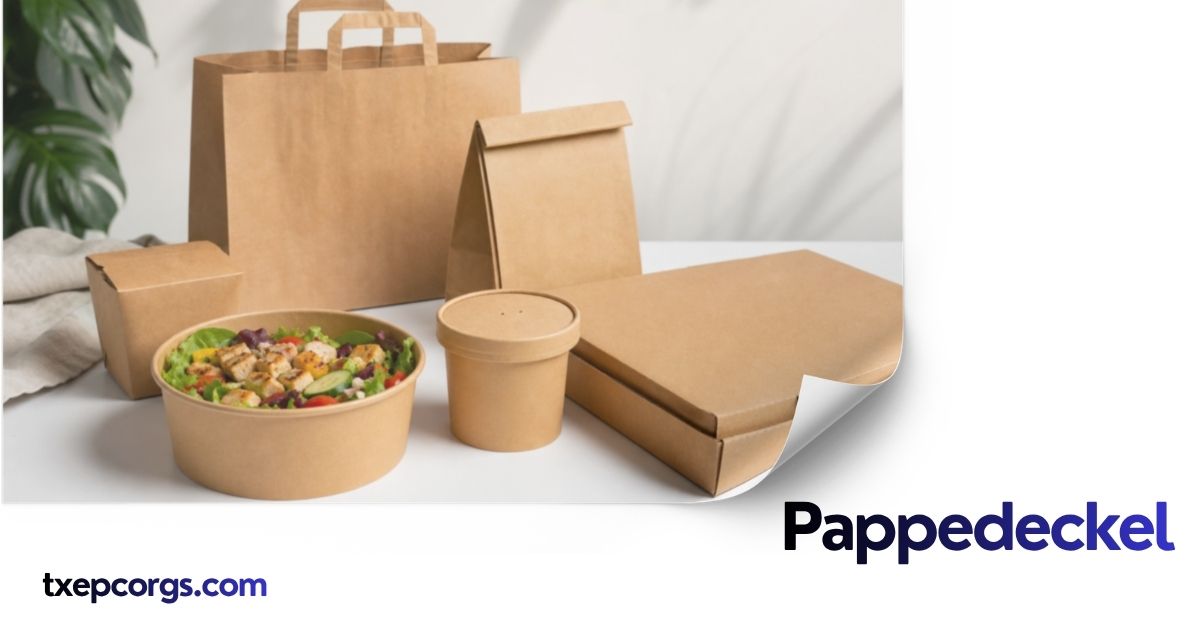
Many restaurants use food-safe cardboard for:
- Pizza boxes
- Takeout containers
- Beverage carriers
Office Supplies
Examples include:
- File folders
- Storage boxes
- Ring binder covers
Education
Schools use cardboard for:
- Science projects
- Educational displays
- Classroom activities
Arts and Crafts
Creative professionals use pappedeckel for:
- Model building
- Scrapbooking
- Painting
- Handmade gifts
Furniture
Some modern furniture incorporates engineered cardboard for lightweight construction.
Industrial Protection
Factories use cardboard inserts to separate products during shipping.
Why Businesses Prefer Pappedeckel
Modern businesses choose cardboard for several practical reasons.
Affordable Production
Paper-based materials remain less expensive than many plastics and metals.
Lightweight
Lower shipping weight reduces transportation costs.
Strong Protection
Properly engineered cardboard protects products surprisingly well.
Easy Printing
Companies can print colorful branding directly onto cardboard.
Sustainable Image
Consumers increasingly prefer recyclable packaging.
Using pappedeckel demonstrates environmental responsibility.
Environmental Benefits of Pappedeckel
One reason for the growing popularity of pappedeckel is its positive environmental profile.
Highly Recyclable
Cardboard can often be recycled several times before fibers become too short for reuse.
Renewable Resources
Many manufacturers source wood from responsibly managed forests.
Lower Plastic Usage
Replacing plastic packaging reduces long-term environmental pollution.
Lower Carbon Footprint
Cardboard production generally creates fewer greenhouse gas emissions than many plastic alternatives.
Biodegradable
Unlike many plastics, untreated cardboard naturally breaks down over time.
Challenges of Using Pappedeckel
Although highly useful, pappedeckel has limitations.
Also Read:Chief Technical Examiner: Complete Career Guide, Skills, Salary & Responsibilities (2026)
Moisture Damage
Standard cardboard absorbs water easily.
Wet cardboard loses much of its strength.
Limited Lifespan
Repeated exposure to humidity weakens paper fibers.
Heavy Loads
Extremely heavy products may require reinforced packaging.
Storage Conditions
Improper storage can lead to:
- Warping
- Mold
- Softening
- Reduced strength
Manufacturers address many of these issues through improved coatings and advanced engineering.
How to Choose the Right Pappedeckel
Selecting the correct cardboard depends on several factors.
Consider:
- Product weight
- Moisture exposure
- Printing requirements
- Shipping distance
- Budget
- Recycling goals
Heavy industrial products require stronger corrugated cardboard, while retail packaging often prioritizes appearance.
Pappedeckel in Sustainable Packaging
Sustainability has become a major priority across industries.
Consumers increasingly expect businesses to reduce waste.
Pappedeckel supports these goals because it combines functionality with environmental responsibility.
Many companies now design packaging that uses:
- Less material
- More recycled fibers
- Easier recycling
- Reduced plastic coatings
This shift supports circular economy principles by keeping materials in use for as long as possible.
Innovations in Pappedeckel Manufacturing
Modern cardboard production continues to improve.
Recent innovations include:
Water-Resistant Paper Coatings
New coatings reduce moisture absorption without harming recyclability.
Lightweight Engineering
Advanced designs achieve equal strength while using less material.
Digital Printing
High-resolution printing allows personalized packaging with lower production costs.
Smart Packaging
Manufacturers now integrate:
- QR codes
- NFC tags
- Traceability systems
- Authentication features
Improved Fiber Blends
Engineers continually optimize recycled and virgin fiber combinations for maximum performance.
Pappedeckel vs Plastic Packaging
Understanding the differences helps businesses choose suitable materials.
Environmental Impact
Pappedeckel generally has a smaller environmental footprint because it is renewable and recyclable.
Plastic often remains in landfills for decades or longer.
Weight
Both materials can be lightweight, but cardboard offers a better balance of strength and sustainability for many products.
Printing Quality
Cardboard provides excellent print surfaces for branding and marketing.
Recycling
Cardboard is easier to recycle in many communities.
Product Protection
Plastic offers superior water resistance, while cardboard provides excellent structural protection.
Many companies now combine both materials only when absolutely necessary.
Pappedeckel in E-Commerce
Online shopping has dramatically increased demand for cardboard packaging.
Every shipped product requires protective packaging.
Pappedeckel helps businesses:
- Reduce shipping damage
- Improve customer experience
- Lower packaging costs
- Meet sustainability goals
Many online retailers now use right-sized cardboard packaging to reduce wasted space and shipping expenses.
Recycling Pappedeckel Properly
Recycling cardboard correctly improves environmental outcomes.
Follow these simple steps.
Remove Contaminants
Take away plastic tape, foam inserts, food residue, and metal parts whenever possible.
Flatten Boxes
Flattening saves storage and transportation space.
Keep It Dry
Wet cardboard is more difficult to recycle.
Separate Food Waste
Greasy pizza boxes may not always be recyclable if heavily contaminated.
Following local recycling guidelines ensures better recovery rates.
Storage Tips for Pappedeckel
Proper storage extends cardboard life.
Store pappedeckel:
- Indoors
- Away from moisture
- On pallets
- In dry conditions
- Away from direct sunlight
- With adequate ventilation
Good storage prevents warping and mold growth.
Industries That Depend on Pappedeckel
Many industries would struggle without cardboard products.
Major users include:
- Manufacturing
- Retail
- Food service
- Healthcare
- Automotive
- Electronics
- Publishing
- Education
- Construction
- Logistics
- Agriculture
- Consumer goods
Its versatility makes it one of the most widely used packaging materials worldwide.
Future Trends for Pappedeckel
The future of pappedeckel looks promising as sustainability becomes a global priority.
Several trends are expected to shape the industry.
Increased Recycling Rates
Governments and businesses continue investing in better recycling systems.
Plastic Replacement
More companies are replacing single-use plastics with recyclable cardboard.
Stronger Lightweight Materials
Research focuses on creating cardboard that is lighter while maintaining high strength.
Smart Packaging Technology
Digital tracking and interactive packaging will become more common.
Eco-Friendly Coatings
Manufacturers are developing coatings that resist moisture while remaining fully recyclable.
These innovations will help pappedeckel remain one of the most important packaging materials for decades to come.
Common Myths About Pappedeckel
Myth: All cardboard is the same.
Reality: Different grades, thicknesses, and constructions are designed for different purposes.
Myth: Cardboard is weak.
Reality: Engineered corrugated cardboard can support surprisingly heavy loads.
Myth: Cardboard cannot resist moisture.
Reality: Modern coatings significantly improve water resistance.
Myth: Recycling cardboard is difficult.
Reality: Cardboard is one of the most widely recycled packaging materials.
Myth: Plastic is always better.
Reality: For many packaging applications, pappedeckel offers an excellent combination of protection, cost, printability, and sustainability.
Expert Insights: Why Pappedeckel Matters More Than Ever
Looking beyond its appearance, pappedeckel represents a balance between engineering, economics, and environmental responsibility. As consumers demand sustainable packaging and businesses seek cost-effective solutions, cardboard continues to outperform many alternative materials in everyday applications.
One important trend is the move toward “design for recycling.” Manufacturers are no longer focused only on making stronger packaging—they are designing pappedeckel products that are easier to recycle, use fewer mixed materials, and create less waste after use. This approach supports a circular economy where materials remain in use instead of becoming landfill waste.
Another key insight is the growing role of technology. Digital printing, automated cutting systems, and AI-assisted quality control allow manufacturers to produce customized cardboard packaging faster and with less material waste. These improvements make pappedeckel suitable not only for shipping and storage but also for premium branding and customer experiences.
For businesses, choosing the right pappedeckel is no longer just a packaging decision. It is part of a broader strategy that can improve logistics, reduce costs, strengthen brand reputation, and support sustainability goals.
Also Read:Serlig: The Ultimate Guide to Balanced Decision-Making and Professional Growth
Frequently Asked Questions About Pappedeckel
What does pappedeckel mean in English?
Pappedeckel is a German term that generally translates to cardboard, cardboard sheet, cardboard lid, or paperboard, depending on the context.
Is pappedeckel environmentally friendly?
Yes. Most pappedeckel products are recyclable, biodegradable, and often made from recycled paper fibers, making them a more sustainable choice than many single-use plastic materials.
Can pappedeckel be waterproof?
Standard pappedeckel is not waterproof, but manufacturers can apply special coatings that improve resistance to water and moisture.
How many times can cardboard be recycled?
Paper fibers can typically be recycled several times before they become too short to be reused. Fresh fibers are then added to maintain strength.
Is pappedeckel safe for food packaging?
Yes, food-grade pappedeckel is manufactured using materials and coatings that meet food safety standards for direct or indirect food contact.
Why is corrugated pappedeckel stronger than regular cardboard?
The fluted middle layer acts like a series of small arches, increasing strength, shock absorption, and resistance to crushing while keeping the material lightweight.
Can pappedeckel be customized for branding?
Absolutely. It supports high-quality printing, embossing, die-cutting, and custom finishes, making it ideal for branded retail and e-commerce packaging.
Conclusion
Pappedeckel is far more than a simple piece of cardboard. It is a carefully engineered material that supports global commerce, protects products during transportation, enables creative design, and contributes to more sustainable packaging systems.
From recycled paper fibers and precision manufacturing to smart packaging innovations and eco-friendly coatings, every stage of its development reflects continuous improvement driven by environmental and commercial needs.
As businesses and consumers increasingly prioritize sustainability, the importance of pappedeckel will continue to grow. Its combination of affordability, strength, recyclability, printability, and versatility makes it one of the most practical packaging materials available today.
Whether used in shipping, retail, food service, education, manufacturing, or creative projects, pappedeckel remains an essential solution that meets modern demands while supporting a cleaner and more resource-efficient future.