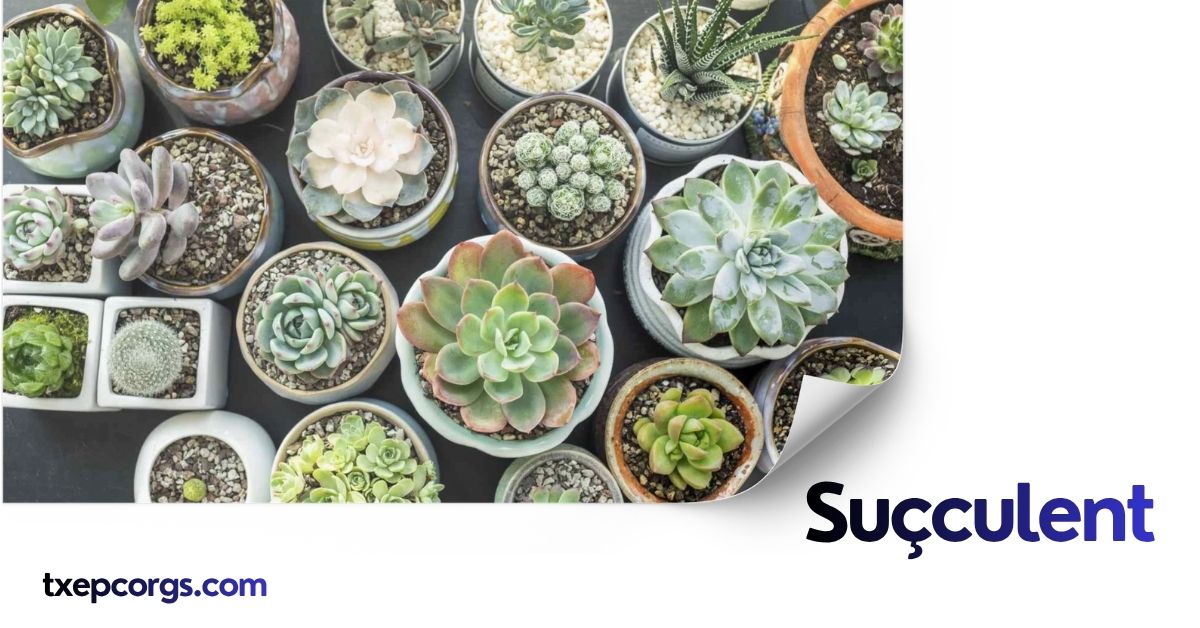
Suçculent: The Complete Guide to Growing, Caring for, and Propagating Healthy Succulent Plants
The word suçculent is becoming increasingly popular online, although it is commonly associated with the botanical term succulent. Whether you are searching for “suçculent” or “succulent,” both refer to a fascinating group of plants known for their ability to store water in thick, fleshy leaves, stems, or roots. These remarkable plants have adapted to survive in dry environments where many other plants struggle.
Today, suçculent plants are among the most popular indoor and outdoor plants in the United States. They are loved for their unique shapes, vibrant colors, easy maintenance, and ability to thrive with minimal care. From homeowners and apartment dwellers to office workers and professional landscapers, people appreciate how these plants add natural beauty without demanding constant attention.
Unlike traditional houseplants that often require frequent watering, suçculent plants can survive for weeks without additional moisture. Their special water-storage system makes them highly drought tolerant and perfect for busy lifestyles.
This complete guide explains everything you need to know about suçculent plants. You’ll learn what they are, how they evolved, the different varieties available, proper care techniques, common mistakes to avoid, and expert tips that help your plants stay healthy for years.
What Is a Suçculent?
A suçculent is a plant that stores water inside its leaves, stems, or roots. These water reserves help the plant survive during long periods without rain.
Instead of depending on frequent watering, suçculent plants build up moisture during wet conditions and slowly use it when water becomes scarce. This natural adaptation allows them to thrive in deserts, rocky landscapes, mountains, and other dry climates around the world.
Although many people associate succulents only with cacti, the truth is that cacti represent just one family within the much larger group of succulent plants.
Common characteristics of a suçculent include:
- Thick, fleshy leaves
- Water-storing stems
- Slow growth
- Strong drought resistance
- Attractive shapes and colors
- Easy maintenance
- Long lifespan
These characteristics have made succulents one of the fastest-growing categories of ornamental plants worldwide.
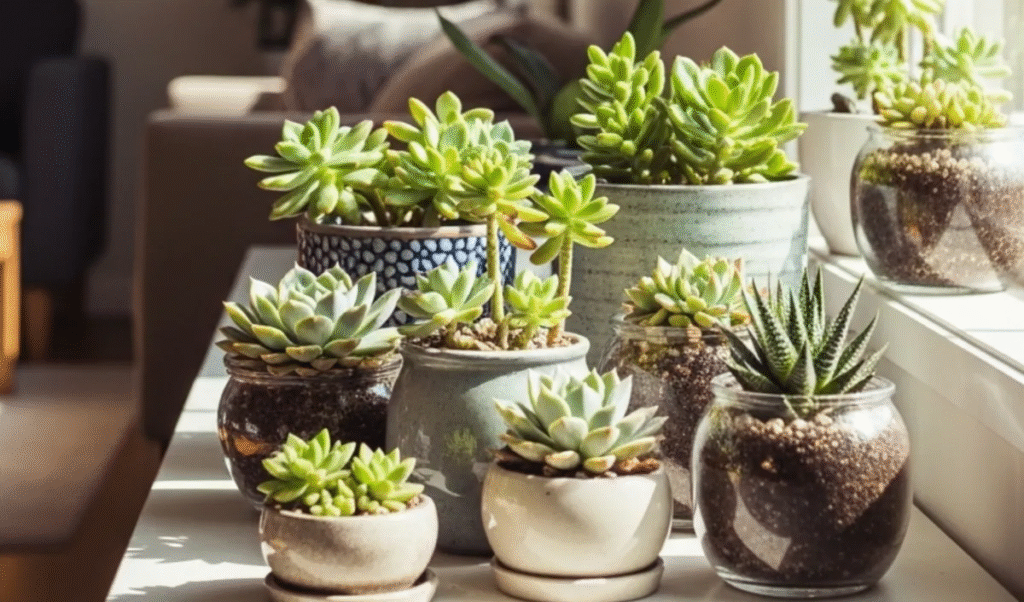
Why Are Suçculent Plants So Popular?
The popularity of suçculent plants has grown rapidly over the last decade. Their combination of beauty and simplicity appeals to beginners as well as experienced gardeners.
Several factors explain their popularity.
They Require Little Maintenance
Most suçculent plants only need watering every few weeks. This makes them ideal for people with busy schedules.
They Fit Almost Anywhere
Their compact size allows them to decorate desks, shelves, windowsills, balconies, kitchens, bedrooms, and offices.
They Offer Incredible Variety
There are thousands of different succulent species. Some look like flowers, while others resemble trees, stones, stars, or even sea creatures.
Also Read:Doujen Moe: A Complete Guide to Creativity, Digital Culture, Community, and Modern Online Expression
They Improve Interior Design
Modern homes often use suçculent plants as natural decorative pieces because they match nearly every design style.
They Live for Many Years
With proper care, many succulent species can thrive for decades.
The Science Behind Water Storage
One of the most fascinating features of a suçculent is its natural water storage system.
Unlike ordinary plants that lose water quickly through thin leaves, succulent plants have evolved specialized tissues that retain moisture.
Their leaves often contain:
- Thick outer skin
- Waxy protective coating
- Water-filled cells
- Reduced leaf pores
These features reduce evaporation and allow the plant to survive long dry seasons.
Many succulents also use a specialized process called CAM photosynthesis.
CAM Photosynthesis Explained
Most plants open tiny pores during the daytime to absorb carbon dioxide. Unfortunately, this also causes water loss.
Many suçculent plants solve this problem differently.
They open their pores at night when temperatures are cooler and humidity is higher. This significantly reduces water evaporation while still allowing photosynthesis to occur during daylight hours.
This unique adaptation is one of the main reasons succulents thrive in harsh environments.
Natural Habitat of Suçculent Plants
Succulents grow naturally on almost every continent except Antarctica.
They are commonly found in:
- Deserts
- Rocky hillsides
- Dry forests
- Mountain slopes
- Coastal cliffs
- Semi-arid grasslands
Countries with large numbers of native succulent species include:
- Mexico
- South Africa
- Namibia
- Madagascar
- Australia
- United States
- Brazil
Each habitat has influenced the appearance and survival strategies of different succulent species.
Main Characteristics of a Healthy Suçculent
Recognizing a healthy plant helps you prevent future problems.
Healthy succulent plants usually have:
Thick Leaves
Leaves should appear firm and full of stored water.
Bright Color
Depending on the species, colors may include:
- Green
- Blue-green
- Purple
- Pink
- Silver
- Red
- Yellow
Strong Roots
Healthy roots are white or light brown and feel firm.
Compact Growth
Leaves should grow close together without stretching excessively.
No Soft Spots
Soft or mushy tissue usually indicates overwatering.
Different Types of Suçculent Plants
Thousands of succulent species exist across many plant families.
Here are some of the most popular groups.
Aloe
Aloe plants are famous for their medicinal gel and upright pointed leaves.
Popular varieties include:
- Aloe vera
- Tiger aloe
- Lace aloe
Aloe thrives in bright sunlight and well-draining soil.
Echeveria
Echeveria produces beautiful flower-like rosettes.
These plants are popular because of their:
- Symmetrical shape
- Wide color selection
- Compact growth
- Easy propagation
Jade Plant
The jade plant is one of the most recognizable succulents.
It develops thick woody stems and shiny green leaves that resemble miniature trees as they mature.
Haworthia
Haworthias are excellent indoor plants because they tolerate lower light better than many other succulents.
Their white stripes create striking patterns.
Sedum
Sedums are available in both upright and trailing varieties.
Many gardeners use them for:
- Rock gardens
- Green roofs
- Ground cover
- Hanging baskets
Kalanchoe
Kalanchoes are known for producing colorful flowers that bloom for weeks.
They are popular indoor flowering succulents.
String of Pearls
This unusual trailing succulent produces round leaves that resemble tiny green beads.
It is especially attractive in hanging containers.
Lithops
Often called living stones, Lithops blend perfectly with rocks in their natural habitat.
Their camouflage protects them from animals.
Are Cacti and Suçculent Plants the Same?
This is one of the most common questions among beginners.
The answer is no.
Every cactus is a succulent because it stores water.
However, not every succulent is a cactus.
The easiest way to tell them apart is by looking for areoles.
Areoles are small cushion-like structures found only on cacti.
These structures produce:
- Spines
- Flowers
- New branches
Other succulent families do not have areoles.
Benefits of Growing Suçculent Plants
Growing succulent plants provides more than decoration.
Easy Care
Their low maintenance makes them suitable for beginners.
Water Conservation
They require much less water than traditional garden plants.
Beautiful Decoration
Their unusual shapes create attractive displays indoors and outdoors.
Stress Relief
Many people find caring for plants relaxing and enjoyable.
Long Lifespan
Properly maintained succulents can remain healthy for many years.
Flexible Placement
They grow well in:
- Homes
- Offices
- Schools
- Apartments
- Restaurants
- Hotels
Choosing the Right Suçculent for Beginners
If you’re new to gardening, start with forgiving varieties.
Excellent beginner choices include:
- Aloe vera
- Jade plant
- Haworthia
- Echeveria
- Zebra Haworthia
- Burro’s Tail
- Panda Plant
These plants tolerate occasional mistakes better than more delicate species.
Understanding Suçculent Growth Patterns
Succulent plants grow differently depending on their species.
Some remain compact for life, making them perfect for small pots and indoor displays. Others slowly develop thick stems and branch into shrub-like forms over several years.
Growth is influenced by several factors, including sunlight, temperature, watering habits, soil quality, and seasonal changes.
Most succulents experience active growth during either spring and summer or fall and winter, depending on their natural habitat. Learning your plant’s growing season helps you provide the right care at the right time.
Some succulents grow in beautiful rosettes, while others spread across the ground as living carpets. Trailing varieties cascade over the edges of hanging baskets, creating dramatic displays, while upright species add height and structure to indoor plant collections.
Understanding these natural growth habits helps you choose the right location and container for each plant.
How to Select a Healthy Suçculent at the Store
Buying a healthy plant gives you the best chance of long-term success.
When shopping for a suçculent, look for these signs:
Firm Leaves
Leaves should feel thick and solid rather than soft or wrinkled.
Healthy Roots
If possible, gently inspect the roots. They should appear firm and free from rot.
No Pests
Check under the leaves and around the stem for insects, webbing, or sticky residue.
Even Color
Natural color varies by species, but avoid plants with widespread yellowing, black spots, or mushy areas.
Compact Shape
A healthy succulent should have leaves growing closely together rather than stretched out from insufficient light.
How to Water a Suçculent Correctly
Watering is the most important part of suçculent care. While these plants are drought tolerant, they still need water to survive. The key is watering deeply but less often.
Many beginners assume succulents never need watering. Others make the opposite mistake by watering too frequently. Both habits can damage the plant.
The best approach is known as the “soak and dry” method.
The Soak and Dry Method
This method closely copies the natural conditions where succulent plants grow.
- Water the soil thoroughly until water drains from the bottom of the pot.
- Allow all excess water to drain away.
- Wait until the soil becomes completely dry.
- Water again only after the soil has dried.
This cycle encourages healthy roots and prevents root rot.
How Often Should You Water a Suçculent?
There is no universal schedule because several factors affect watering frequency.
These include:
- Temperature
- Humidity
- Pot size
- Soil type
- Amount of sunlight
- Plant species
- Season
A general guideline is:
- Spring: Every 10–14 days
- Summer: Every 7–10 days if temperatures are very hot
- Fall: Every 2–3 weeks
- Winter: Every 3–5 weeks for most indoor succulents
Always check the soil instead of following a strict calendar.
Signs Your Suçculent Needs Water
A thirsty succulent usually gives clear signals.
Look for these signs:
- Wrinkled leaves
- Slightly soft leaves
- Dry soil
- Slow growth
- Leaves becoming thinner
Once watered properly, many succulents recover within a few days.
Signs of Overwatering
Overwatering is the leading cause of succulent death.
Also Read:Cnlawblog.com: Complete Guide to Law, Business, Technology & More (2026)
Common warning signs include:
- Yellow leaves
- Mushy stems
- Black spots
- Leaves falling off easily
- Root rot
- Mold on the soil
- Bad smell from the pot
If overwatering occurs, stop watering immediately and allow the soil to dry completely.
Best Soil for a Suçculent
Ordinary garden soil usually holds too much moisture.
Succulents need loose, fast-draining soil that allows water to flow through quickly.
A good succulent soil contains materials such as:
- Coarse sand
- Perlite
- Pumice
- Small gravel
- Well-draining potting mix
This combination creates air pockets around the roots and prevents water from remaining trapped.
Choosing the Right Pot
The pot plays an important role in plant health.
Drainage Holes Are Essential
Always choose a container with drainage holes.
Without proper drainage, excess water collects around the roots and encourages rot.
Best Pot Materials
Several materials work well.
Terracotta Pots
Terracotta naturally absorbs moisture.
Benefits include:
- Better airflow
- Faster drying
- Lower risk of root rot
Ceramic Pots
Glazed ceramic pots are attractive and suitable if they include drainage holes.
Plastic Pots
Plastic retains moisture longer than clay.
They are lightweight and inexpensive but require more careful watering.
Light Requirements for a Suçculent
Most succulents love bright light.
Indoor plants usually perform best near:
- South-facing windows
- East-facing windows
- Bright sunrooms
Outdoor succulents generally enjoy several hours of direct sunlight every day.
However, some delicate varieties prefer filtered afternoon light in extremely hot climates.
Signs of Too Little Light
Insufficient sunlight causes stretching, also called etiolation.
Symptoms include:
- Long stems
- Wide spaces between leaves
- Pale color
- Weak growth
Moving the plant to a brighter location usually solves the problem.
Signs of Too Much Sun
Excessive sunlight can damage certain species.
Watch for:
- Brown patches
- White scorch marks
- Dry leaf edges
- Burned tips
Gradually introducing plants to stronger sunlight helps prevent sunburn.
Temperature and Humidity
Most suçculent plants prefer temperatures between 60°F and 80°F (16°C to 27°C).
Many tolerate higher daytime temperatures if they receive adequate airflow.
Indoor humidity is generally suitable because succulents prefer dry air rather than humid conditions.
Avoid placing them near:
- Heating vents
- Air conditioners
- Cold drafts
- Freezing windows
Fertilizing a Suçculent
Succulents do not require heavy feeding.
Too much fertilizer often causes weak, stretched growth.
During the growing season, apply a balanced fertilizer diluted to half strength every four to six weeks.
Avoid fertilizing during winter dormancy unless the plant is actively growing.
How to Repot a Suçculent
Repotting gives roots additional space and refreshes old soil.
Most succulents benefit from repotting every two to three years.
Step 1
Choose a slightly larger pot with drainage holes.
Step 2
Prepare fresh succulent soil.
Step 3
Remove the plant carefully without damaging the roots.
Step 4
Trim dead or rotten roots.
Step 5
Plant at the same depth as before.
Step 6
Wait two or three days before watering to allow damaged roots to heal.
How to Propagate a Suçculent
One of the most enjoyable parts of growing succulents is propagation.
Many species produce entirely new plants from a single leaf or stem.
Leaf Propagation
Popular for:
- Echeveria
- Graptopetalum
- Sedum
Remove a healthy leaf carefully.
Allow the cut end to dry for several days.
Place it on dry soil until roots begin forming.
Light misting may be used once roots appear.
Stem Cuttings
Stem cuttings are ideal for taller succulents.
Allow the cut stem to dry for several days before planting.
Roots usually develop within a few weeks.
Offsets
Many succulents naturally produce baby plants called offsets.
These can be separated gently and planted individually.
Offsets often establish more quickly than leaf cuttings.
Common Problems and Solutions
Even easy-care plants experience occasional problems.
Root Rot
Cause:
Too much water.
Solution:
Remove damaged roots, replace wet soil, and reduce watering.
Mealybugs
These white insects feed on plant sap.
Treatment includes:
- Cotton swab dipped in rubbing alcohol
- Insecticidal soap
- Isolating infected plants
Spider Mites
Spider mites appear during hot, dry conditions.
Increasing airflow and treating early helps control infestations.
Fungus Gnats
These small insects often indicate consistently wet soil.
Allowing the soil to dry usually reduces their population.
Indoor vs. Outdoor Suçculent Growing
Both environments offer advantages.
Indoor Growing
Benefits include:
- Protection from frost
- Controlled conditions
- Easy decoration
- Fewer weather-related problems
Challenges include:
- Limited sunlight
- Slower growth
- Occasional stretching
Outdoor Growing
Advantages include:
- Faster growth
- Better coloration
- Natural rainfall
- Improved airflow
Challenges include:
- Frost
- Heavy rain
- Intense summer heat
- Wildlife damage
Choosing the right location depends on your climate and the specific succulent species.
Seasonal Care Tips
Succulent care changes throughout the year.
Spring
This is the main growing season for many species.
Increase watering gradually, inspect for pests, and begin light fertilizing if needed.
Summer
Protect plants from extreme afternoon sun in very hot regions.
Water only when the soil is completely dry.
Fall
Growth slows for many varieties.
Reduce watering and stop fertilizing unless the plant remains actively growing.
Winter
Most succulents require minimal water during winter.
Keep indoor plants away from freezing windows and avoid leaving outdoor succulents exposed to frost unless they are known to be cold hardy.
Creative Ways to Display Suçculent Plants
One reason succulents remain so popular is their decorative versatility.
You can create attractive displays using:
- Decorative ceramic pots
- Hanging planters
- Wooden boxes
- Glass terrariums with proper ventilation
- Rock gardens
- Vertical wall planters
- Table centerpieces
- Office desk arrangements
- Window boxes
- Mixed succulent containers
Combining different colors, textures, and heights creates visually appealing arrangements that require relatively little maintenance.
Common Beginner Mistakes
Many problems can be avoided by understanding a few common mistakes.
These include:
- Watering too often
- Using pots without drainage holes
- Planting in heavy garden soil
- Keeping plants in dark rooms
- Overfertilizing
- Ignoring pest infestations
- Exposing indoor plants to sudden intense sunlight
- Choosing containers that are much too large
Learning from these mistakes helps your suçculent collection stay healthy and attractive for years.
Expert Tips for Long-Term Success
Experienced growers often follow a few simple habits that make a big difference over time.
- Rotate indoor plants every few weeks so all sides receive even light.
- Clean dust from leaves to improve photosynthesis.
- Quarantine new plants for a short period before placing them near existing ones.
- Observe your plants regularly instead of following a fixed care schedule.
- Research the specific needs of each species, as not all succulents have identical requirements.
- Replace old soil periodically to improve drainage and replenish nutrients.
Also Read:Levapioli: The Complete Guide to This Juicy Grilled Meat Dish in 2026
Following these practices can significantly improve the health, appearance, and longevity of your succulent collection.
Conclusion
The suçculent is much more than a decorative plant. It is a remarkable example of nature’s ability to adapt to challenging environments. By storing water in thick leaves, stems, or roots, these plants survive conditions that would be difficult for many other species.
Their unique appearance, low maintenance needs, and incredible diversity have made succulents a favorite choice for homes, offices, gardens, and commercial landscapes throughout the United States and around the world.
Success with succulent plants comes from understanding their natural habitat. Well-draining soil, proper sunlight, careful watering, and good airflow are far more important than frequent attention. In many cases, giving a succulent less care is actually the best approach.
Whether you choose a classic Aloe vera, a colorful Echeveria, a hardy Jade plant, or an unusual Lithops, each succulent brings its own beauty and character. With the right care, these resilient plants can thrive for many years, making them a rewarding addition to any indoor or outdoor space.
Frequently Asked Questions About Suçculent
Is suçculent the same as succulent?
Yes. The keyword “suçculent” is commonly used online as a variation or alternate spelling of “succulent.” In botanical terms, both refer to plants that store water in thick leaves, stems, or roots.
Can suçculent plants grow without direct sunlight?
Some species can grow in bright indirect light, but most succulents need several hours of strong natural light each day to remain healthy and compact.
How long do succulent plants usually live?
Many succulents live for 10 to 50 years with proper care. Certain species can survive even longer under ideal growing conditions.
Are succulent plants safe around pets?
Not all succulents are pet-safe. While varieties such as Haworthia are generally considered non-toxic, others like Jade Plant, Aloe, and Kalanchoe may be harmful if eaten by cats or dogs. Always check the specific species before bringing it into a home with pets.
Can succulents grow from a single leaf?
Yes. Many species, including Echeveria and Sedum, can produce roots and new plants from a healthy leaf when propagated correctly.
Why are my succulent leaves falling off?
Leaves may fall because of overwatering, underwatering, sudden temperature changes, poor lighting, or natural aging. Examining the condition of the leaves and soil usually helps identify the cause.
Do succulents clean indoor air?
Like many houseplants, succulents contribute to indoor greenery and may offer modest air-quality benefits, but they should not be relied upon as primary air purifiers.