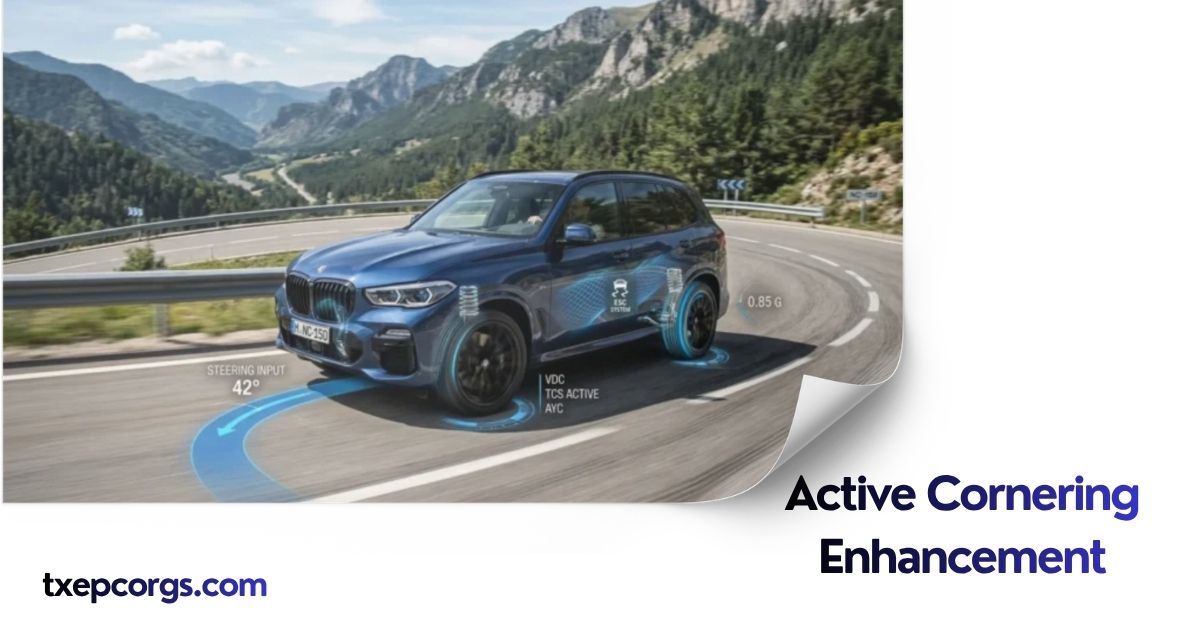
Active Cornering Enhancement: Complete Guide to How It Works, Benefits, and Common Problems
Active cornering enhancement is one of the most advanced suspension technologies developed to improve vehicle stability, comfort, and handling. Whether you’re driving on winding mountain roads, navigating city streets, or traveling on the highway, this intelligent system helps keep your vehicle balanced during turns.
Unlike traditional suspension systems that rely only on springs and shock absorbers, active cornering enhancement continuously monitors driving conditions and automatically adjusts the vehicle’s suspension. The result is less body roll, better tire contact with the road, greater driver confidence, and a smoother ride.
Originally introduced in premium SUVs and luxury vehicles, active cornering enhancement has become one of the most respected technologies for improving both safety and driving comfort. It represents the shift from passive suspension systems toward intelligent, computer-controlled vehicle dynamics.
This complete guide explains everything you need to know about active cornering enhancement, including how it works, its components, benefits, maintenance requirements, common warning signs, troubleshooting tips, and the future of active suspension technology. Whether you are a car owner, automotive enthusiast, student, or buyer researching advanced vehicle features, this guide provides accurate, easy-to-understand information.
What Is Active Cornering Enhancement?
Active cornering enhancement is an electronically and hydraulically controlled suspension system that minimizes body roll when a vehicle turns. Instead of allowing the body to lean heavily toward the outside of a corner, the system automatically applies force to stabilize the vehicle.
In simple words, active cornering enhancement helps keep the vehicle flatter while turning.
When a vehicle enters a curve, physics naturally causes weight to shift toward the outside wheels. This movement creates body roll. Excessive body roll reduces handling performance, affects driver confidence, and may decrease tire grip.
Active cornering enhancement detects this movement almost instantly and actively adjusts the anti-roll bars using hydraulic pressure or electric actuators. This reduces body roll without making the suspension feel stiff during normal driving.

The result is a vehicle that feels more stable, comfortable, and predictable.
Why Active Cornering Enhancement Was Developed
Vehicle manufacturers have always faced a challenge.
Drivers want two different things from suspension systems:
- Soft suspension for comfort
- Firm suspension for better handling
Traditional suspension systems force engineers to compromise between these two goals.
A soft suspension provides comfort but allows more body roll.
A stiff suspension improves cornering but creates a rough ride.
Also Read:Pedrovazpaulo Business Consultant: Complete Guide to Business Growth & Strategy (2026)
Active cornering enhancement solves this problem by changing suspension behavior in real time.
Instead of choosing comfort or performance, drivers get both.
This is why active cornering enhancement became especially popular in:
- Luxury SUVs
- Premium sedans
- Off-road vehicles
- Performance SUVs
- Executive vehicles
The Science Behind Body Roll
Understanding body roll helps explain why active cornering enhancement is so valuable.
When a vehicle turns left, inertia pushes the vehicle’s weight toward the right side.
This causes:
- Suspension compression on one side
- Suspension extension on the opposite side
- Vehicle body leaning outward
- Reduced balance
- Less even tire grip
The faster the vehicle enters a corner, the greater the body roll.
Without assistance, this affects:
- Steering precision
- Passenger comfort
- Driver confidence
- Tire wear
- Vehicle stability
Active cornering enhancement counteracts these forces before excessive leaning occurs.
How Active Cornering Enhancement Works
The active cornering enhancement system combines sensors, electronic controls, hydraulic pressure, and stabilizer bars into one intelligent system.
The process happens within fractions of a second.
Step 1: Sensors Monitor Vehicle Movement
Several sensors constantly monitor driving conditions.
These include:
- Steering angle sensor
- Vehicle speed sensor
- Lateral acceleration sensor
- Yaw rate sensor
- Suspension position sensor
- Wheel speed sensors
These sensors collect thousands of pieces of information every second.
Step 2: Electronic Control Unit Processes Information
The Electronic Control Unit (ECU) acts as the brain of active cornering enhancement.
It analyzes sensor data to determine:
- Vehicle speed
- Turning angle
- Cornering force
- Road conditions
- Suspension movement
If the ECU predicts excessive body roll, it immediately sends commands to the hydraulic or electric system.
Step 3: Hydraulic Actuators Respond
Hydraulic pressure is directed toward actuators connected to the anti-roll bars.
These actuators twist the stabilizer bars with controlled force.
The system generates just enough resistance to reduce body lean without creating unnecessary stiffness.
Step 4: Vehicle Remains Stable
Passengers experience:
- Less leaning
- Better comfort
- Improved stability
- More confident handling
- Better steering response
Most drivers never notice the system working because adjustments happen automatically.
Main Components of Active Cornering Enhancement
Understanding the major components helps owners appreciate how sophisticated the system really is.
Electronic Control Module
The control module processes information from every sensor and calculates the required suspension adjustments.
It makes hundreds of decisions every second.
Hydraulic Pump
The hydraulic pump creates the pressure needed to operate the actuators.
Without sufficient hydraulic pressure, the system cannot reduce body roll effectively.
Hydraulic Fluid
Special hydraulic fluid transfers pressure throughout the system.
Clean fluid is essential for smooth operation.
Stabilizer Bars
Also called anti-roll bars or sway bars, these connect opposite wheels and reduce suspension movement during turns.
Active cornering enhancement modifies their resistance dynamically.
Hydraulic Actuators
These devices apply controlled force to the stabilizer bars.
They are responsible for producing the active response.
Sensors
Sensors continuously monitor:
- Vehicle speed
- Suspension travel
- Steering input
- Cornering force
- Vehicle rotation
Accurate sensor information is critical.
Vehicles That Commonly Use Active Cornering Enhancement
Although many manufacturers now offer similar technologies under different names, active cornering enhancement became especially well known through Land Rover vehicles.
It has appeared on several premium models, including:
- Range Rover
- Range Rover Sport
- Discovery
- Discovery 3
- Discovery 4
- LR3
- LR4
Other manufacturers use comparable technologies with different branding.
Examples include:
- Active Stabilizer Bars
- Dynamic Roll Control
- Active Anti-Roll System
- Adaptive Roll Stabilization
- Electronic Stabilizer Control
While names differ, the objective remains the same: reducing body roll while maintaining ride comfort.
Benefits of Active Cornering Enhancement
Improved Cornering Stability
The biggest advantage is greater stability during turns.
The vehicle remains flatter, making steering feel more precise.
Better Passenger Comfort
Passengers experience less side-to-side movement.
This reduces fatigue on long trips.
Increased Driver Confidence
Drivers often feel more comfortable taking curves because the vehicle responds predictably.
Better Tire Contact
Keeping the body level helps maintain more even tire contact with the road.
This improves grip.
Enhanced Safety
Improved stability contributes to better vehicle control during emergency maneuvers.
Although active cornering enhancement does not replace safe driving, it supports vehicle stability in demanding situations.
Comfortable Everyday Driving
Unlike stiff sports suspension, active cornering enhancement remains comfortable during normal driving.
The suspension only firms when needed.
Active Cornering Enhancement vs Traditional Suspension
Traditional suspension systems use fixed mechanical settings.
Once the suspension is designed, it cannot adapt to changing road conditions.
Active cornering enhancement works differently.
It continuously adjusts itself based on:
- Speed
- Steering angle
- Road surface
- Vehicle load
- Cornering force
This makes the vehicle feel both comfortable and sporty.
Active Cornering Enhancement vs Adaptive Suspension
These technologies are often confused.
Adaptive suspension mainly changes shock absorber stiffness.
Active cornering enhancement focuses on reducing body roll.
Many luxury vehicles combine both technologies.
Together they provide exceptional ride quality.
Common Problems With Active Cornering Enhancement
Like any advanced automotive technology, active cornering enhancement can develop problems over time.
Hydraulic Fluid Leaks
One of the most common issues is leaking hydraulic fluid.
Leaks may occur from:
- Pipes
- Hoses
- Actuators
- Pump connections
Ignoring leaks can reduce system performance.
Also Read:Repmold: The Complete Guide to Digital-Driven Molding and Smart Manufacturing
Warning Lights
Many vehicles display an Active Cornering Enhancement warning message when faults are detected.
This warning should never be ignored.
Sensor Failure
Damaged sensors may provide incorrect information.
This causes inaccurate suspension adjustments.
Hydraulic Pump Problems
A worn pump may not generate enough pressure.
Symptoms include poor cornering performance.
ECU Faults
Electrical issues or software problems may prevent proper system operation.
Professional diagnostics are usually required.
Actuator Wear
Hydraulic actuators experience constant movement and may eventually wear out.
Signs Your Active Cornering Enhancement System Needs Attention
Drivers should watch for these symptoms:
- Vehicle leans excessively in corners
- Dashboard warning messages
- Uneven suspension height
- Hydraulic fluid under the vehicle
- Steering feels unstable
- Reduced ride comfort
- Unusual suspension noises
- Vehicle feels less balanced
Early diagnosis often reduces repair costs.
Can You Drive With an Active Cornering Enhancement Warning?
In many cases, yes.
However, the vehicle may no longer provide its normal level of cornering assistance.
The suspension usually switches into a safe operating mode.
Drivers should:
- Reduce speed
- Avoid aggressive cornering
- Schedule repairs promptly
- Follow manufacturer recommendations
Driving for long periods with system faults is not recommended.
Maintenance Tips for Active Cornering Enhancement
Proper maintenance helps maximize system life.
Check Hydraulic Fluid
Maintain the correct fluid level.
Always use manufacturer-approved fluid.
Inspect for Leaks
Look underneath the vehicle for hydraulic fluid.
Even small leaks deserve attention.
Perform Regular Vehicle Inspections
Routine inspections help identify:
- Worn hoses
- Loose fittings
- Sensor damage
- Corrosion
Keep Suspension Components Healthy
Healthy bushings, control arms, and stabilizer bars improve overall performance.
Follow Service Intervals
Manufacturer maintenance schedules help prevent expensive failures.
How Mechanics Diagnose Active Cornering Enhancement Problems
Professional diagnosis usually involves several steps.
Technicians typically:
- Read fault codes
- Inspect hydraulic pressure
- Test sensors
- Check actuator operation
- Inspect hoses
- Examine electrical connections
- Perform road tests
Modern diagnostic tools can quickly identify many electronic faults.
Repair Costs
Repair costs vary depending on the failed component.
Small repairs like replacing a sensor or hydraulic hose are generally less expensive.
Major repairs involving hydraulic pumps, control modules, or actuators can cost significantly more due to specialized parts and labor.
Regular maintenance often prevents costly repairs.
Is Active Cornering Enhancement Worth It?
For most owners, the answer is yes.
The technology offers meaningful improvements in:
- Safety
- Comfort
- Handling
- Stability
- Driver confidence
Although repairs may cost more than traditional suspension systems, many drivers believe the improved driving experience justifies the investment.
Driving Tips to Get the Most From Active Cornering Enhancement
You can maximize the benefits of the system by following good driving habits.
Drive smoothly instead of making sudden steering movements.
Maintain proper tire pressure because tires play a major role in handling.
Avoid overloading your vehicle, as excessive weight affects suspension performance.
Follow regular maintenance schedules.
Respond quickly to warning lights before small issues become expensive repairs.
Active Cornering Enhancement in Off-Road Driving
One of the unique strengths of active cornering enhancement is its ability to balance on-road comfort with off-road capability.
Some systems can reduce stabilizer bar resistance during off-road driving.
This allows greater wheel articulation.
Benefits include:
- Better traction
- Improved obstacle climbing
- More wheel travel
- Better suspension flexibility
Once the vehicle returns to paved roads, the system automatically restores greater roll control.
The Role of Software in Active Cornering Enhancement
Modern vehicles rely heavily on software.
Active cornering enhancement is no exception.
Software continuously adjusts the suspension based on real-time driving conditions.
Manufacturers occasionally release software updates that improve:
- System response
- Reliability
- Fault detection
- Overall performance
Keeping vehicle software updated may improve system efficiency.
How Active Cornering Enhancement Supports Other Safety Systems
Today’s vehicles integrate multiple electronic systems that work together.
Active cornering enhancement often communicates with:
- Electronic Stability Control (ESC)
- Anti-lock Braking System (ABS)
- Traction Control System (TCS)
- Adaptive Cruise Control
- Terrain Management Systems
Sharing information between these systems allows the vehicle to respond more effectively to changing road conditions.
Does Active Cornering Enhancement Improve Fuel Economy?
The direct impact on fuel economy is relatively small.
However, improved vehicle stability can encourage smoother driving habits.
Well-maintained suspension components also reduce unnecessary mechanical stress.
The primary purpose of active cornering enhancement remains improved handling rather than fuel savings.
Future of Active Cornering Enhancement
Automotive suspension technology continues to evolve rapidly.
Future systems will become even smarter by combining artificial intelligence, machine learning, advanced sensors, and predictive road analysis.
Upcoming improvements may include:
- AI-powered suspension adjustments
- Camera-based road scanning
- Predictive cornering control
- Fully electric active stabilizer systems
- Cloud-connected diagnostics
- Integration with autonomous driving systems
As electric vehicles become more common, manufacturers are developing lighter and more energy-efficient active suspension systems.
The future points toward vehicles that can anticipate road conditions before drivers even notice them.
Expert Insights on Active Cornering Enhancement
From an engineering perspective, active cornering enhancement represents a significant improvement over traditional suspension design because it adapts instead of remaining fixed.
Rather than simply resisting body roll with stiffer components, the system applies exactly the amount of force needed at the right moment. This approach creates a better balance between comfort and handling.
Also Read:OncePik: The Complete Guide to Smart Tech, Lifestyle, Trends, and Home Improvement
For everyday drivers, the greatest benefit is confidence. A vehicle that remains stable during cornering is easier to control, less tiring to drive, and more enjoyable over long distances.
As vehicle electronics continue to advance, active suspension systems will likely become more common across a wider range of vehicles rather than remaining limited to premium models.
Frequently Asked Questions
What is active cornering enhancement?
Active cornering enhancement is an intelligent suspension system that reduces body roll during turns by automatically adjusting stabilizer bars using hydraulic or electronic controls.
Does active cornering enhancement make driving safer?
It improves vehicle stability and handling during cornering, which can support safer driving. However, it does not replace safe driving practices or eliminate the need to obey speed limits.
Can active cornering enhancement fail?
Yes. Like any advanced automotive system, components such as sensors, hydraulic pumps, actuators, hoses, or electronic modules can wear out or fail over time.
Is active cornering enhancement expensive to repair?
Repair costs depend on the affected component. Minor issues may be relatively affordable, while hydraulic or electronic component replacements can be more expensive.
Can active cornering enhancement be turned off?
Most factory-installed systems operate automatically and cannot be manually disabled under normal driving conditions. Some vehicles may temporarily deactivate the system if a fault is detected.
Does active cornering enhancement work in bad weather?
Yes. It continues to improve vehicle stability during rain or light snow by helping reduce body roll, although drivers must still adjust speed for road conditions.
Does active cornering enhancement affect towing performance?
Yes. Vehicles equipped with the system often experience improved stability while towing because body movement during turns is better controlled. Drivers must still stay within the manufacturer’s towing limits.
How long does an active cornering enhancement system last?
With proper maintenance, many components can last well over 100,000 miles. Longevity depends on driving conditions, maintenance habits, and the quality of replacement parts.
Is active cornering enhancement available on electric vehicles?
Yes. Many modern electric vehicles are beginning to use advanced versions of active suspension and roll-control systems because electric motors and electronic controls make these technologies more efficient.
Can aftermarket modifications interfere with active cornering enhancement?
Yes. Changes to suspension height, oversized wheels, or non-approved suspension components may affect system calibration and overall performance. Owners should verify compatibility before making modifications.
Conclusion
Active cornering enhancement has transformed the way modern vehicles handle corners by combining advanced electronics, intelligent software, hydraulic engineering, and precision suspension control into one integrated system. Instead of forcing drivers to choose between comfort and performance, it delivers both by adapting continuously to changing road conditions.
For drivers in the United States and around the world, active cornering enhancement offers noticeable advantages in everyday driving, highway travel, challenging curves, and even off-road situations. It improves stability, reduces body roll, enhances passenger comfort, and supports other important vehicle safety technologies.
While the system is more complex than traditional suspension designs and may require specialized maintenance, its benefits often outweigh the additional complexity. As automotive technology continues to evolve, active cornering enhancement is expected to become even more intelligent through artificial intelligence, predictive software, and fully electric active suspension systems.
Whether you are buying a vehicle equipped with this technology, maintaining an existing system, or simply learning about modern automotive engineering, understanding active cornering enhancement provides valuable insight into one of the most important innovations in vehicle dynamics. As manufacturers continue to prioritize safety, comfort, and driving performance, active cornering enhancement will remain a key part of the next generation of intelligent vehicles.